


Project description:
The Support Programme for Migrants and Business Development in Lower Silesia – “Navigate Poland: Migrant Assistance and Business Development Program” is a comprehensive initiative designed to support individuals with migration and refugee backgrounds residing in the Lower Silesia region. The project addresses key challenges such as information, legal, and administrative barriers that limit opportunities for full integration. At the same time, it fosters the development of migrant entrepreneurship, as more and more migrants choose to start their own businesses in Poland but often face difficulties related to regulations, formalities, and limited access to professional advisory services.
The project’s activities aim to increase participants’ independence, legal awareness, and economic competencies, while also strengthening their social and professional engagement and enhancing the potential of local communities across Lower Silesia.
Project objective:
The objective of the project is to improve the level of adaptation, integration, and entrepreneurial development among migrants and refugees living in Lower Silesia by providing access to information, counselling, and specialist support for migrant entrepreneurs. The project aims to reach 3,000 individuals through one-on-one consultations, 1,500 participants through group meetings, and support 250 migrant-led microenterprises — with particular attention to women, single parents, seniors, and persons with disabilities.
Main project activities:
1. Operation of an Information and Advisory Point and mobile consultations in the region
At least 3,000 individuals will receive information and advisory support related to everyday functioning in Poland. The support includes:
- Individual consultations in Wrocław and online on topics such as residence legalisation, the labour market, the education system, healthcare, and social assistance.
- Mobile consultation points in Wałbrzych, Legnica, and Jelenia Góra to increase the availability of support throughout the region.
2. Organisation of group meetings and information sessions
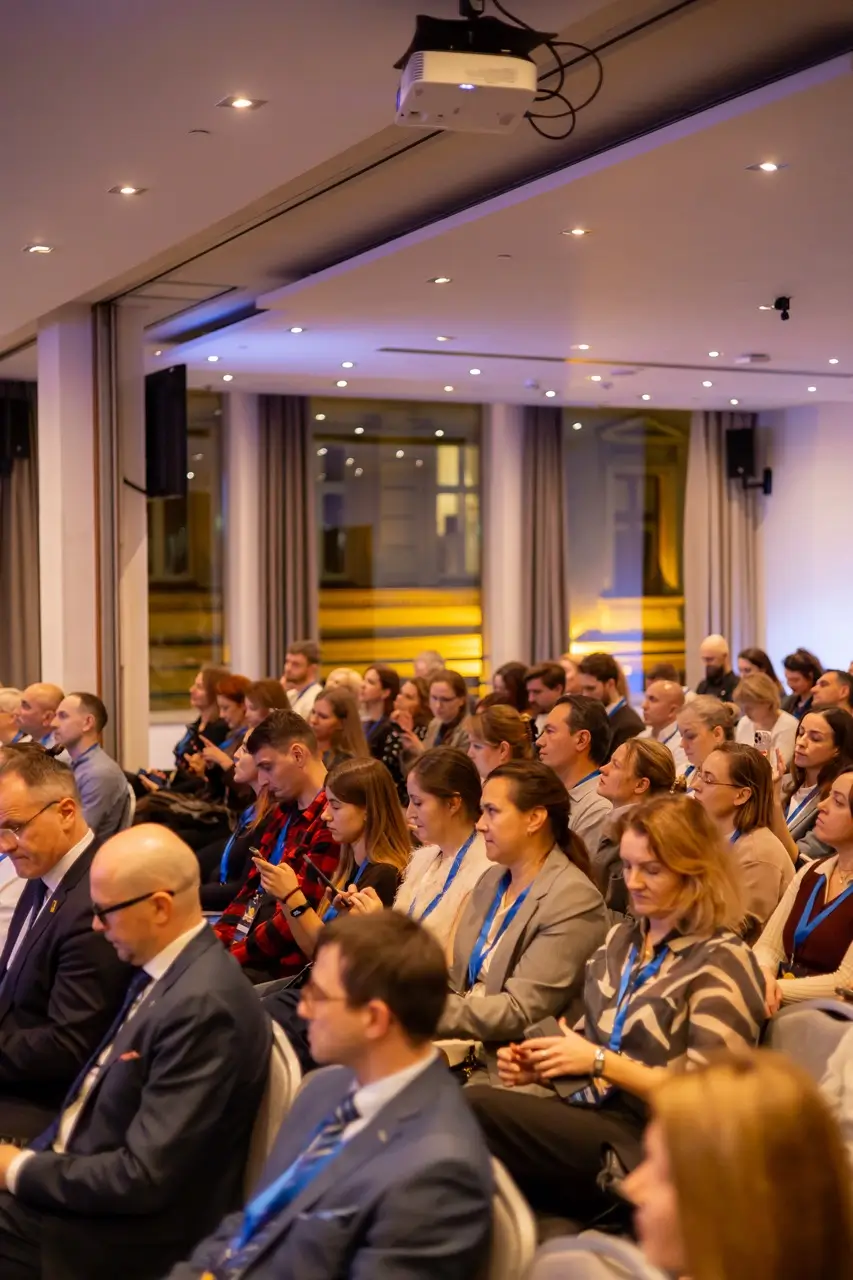
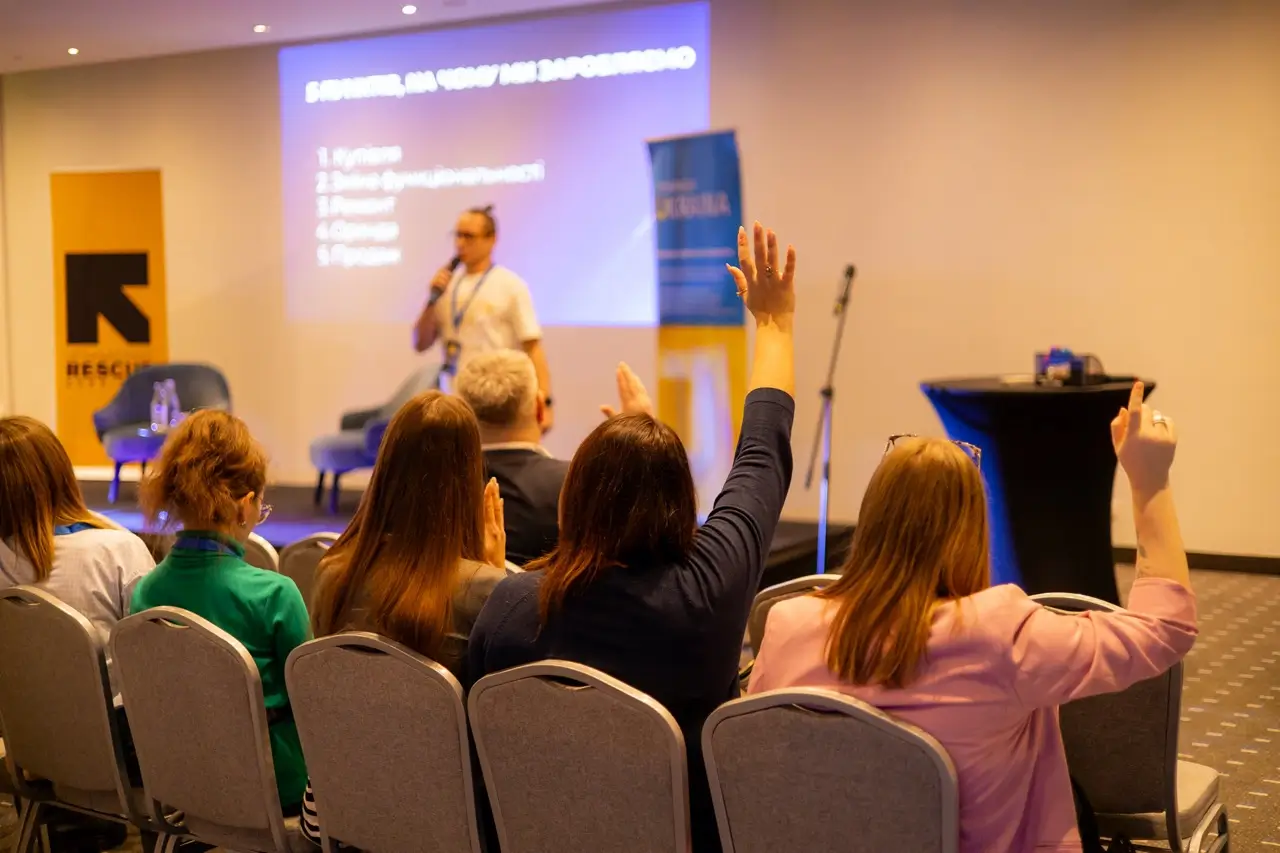
A series of thematic meetings is planned for approximately 1,500 participants.
- Meetings will be held in various locations across the region as well as online, allowing participation for individuals with limited access to transportation.
- Topics will include: rights and responsibilities of foreigners, principles of the new legal environment, functioning of public services, housing issues, anti-discrimination, and introduction to local support structures.
Information about group meetings is available on the social media channels of the Institute of Migrant Rights:
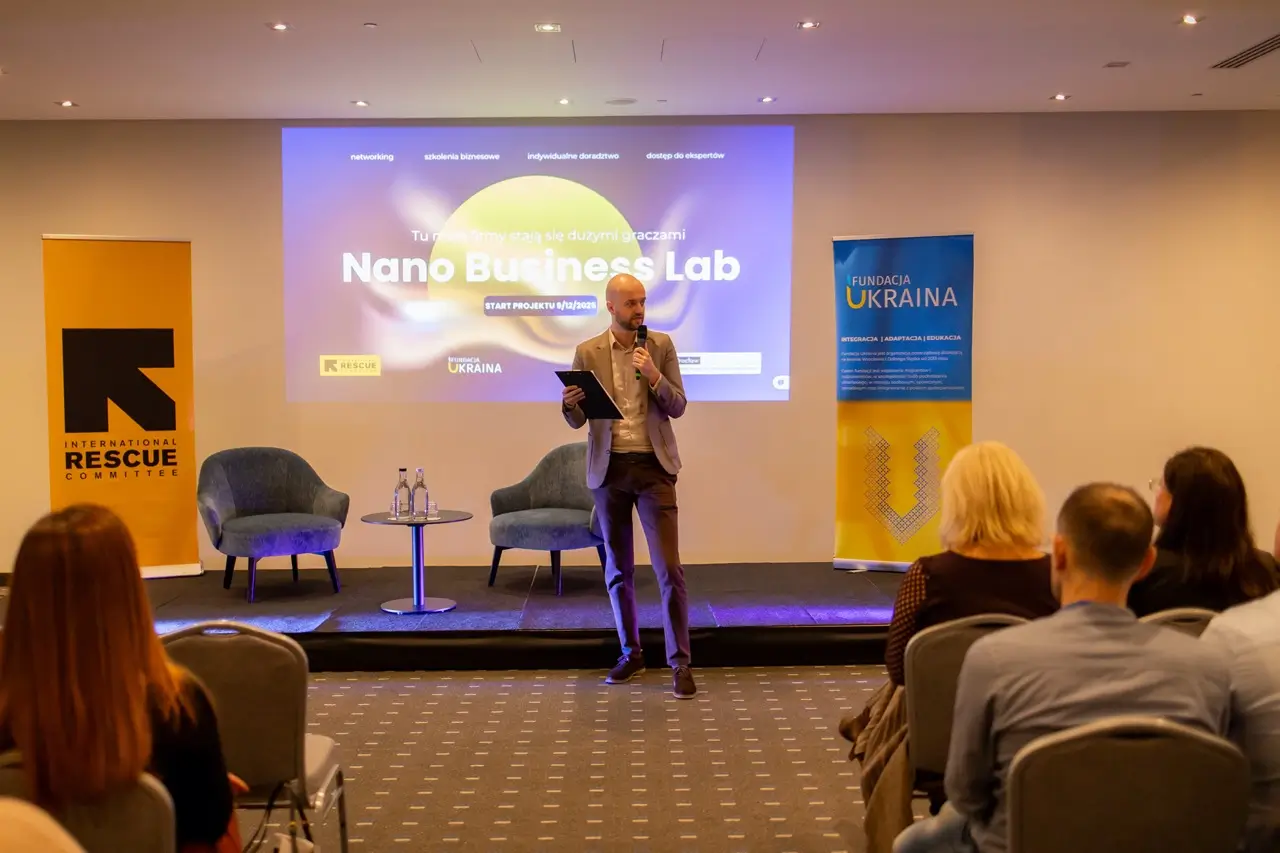
3. Development of migrant entrepreneurship – Nano Business Lab programme
This component provides intensive support for individuals who run their own businesses or plan to start one.
- Support for at least 250 migrant-led businesses, including micro-enterprises run by women, older people, and individuals in difficult social situations.
- 380 hours of individual business consultations, including financial, legal, administrative, and accounting advisory support.
- “ABC of Doing Business in Poland” workshops – 6 cycles covering, among others, topics related to starting a business, taxation models, accounting obligations, marketing activities, and sales development.
- Networking meetings – 6 events aimed at fostering relationships between migrant entrepreneurs and local institutions and businesses.
Expected project results
For people with migration experience:
- Improved access to information, public services, and the labour market.
- Greater understanding of rights and responsibilities in Poland.
- Reduced linguistic, administrative, and social barriers.
- Strengthened life and professional skills supporting economic activity.
- Increased independence, sense of security, and agency.
- Easier adaptation and integration into local communities.
For local communities:
- Enhanced social cohesion and intercultural understanding.
- Creation of an open, empathetic, and diverse environment.
- Reduced social tensions through better communication and awareness.
- Strengthened economic potential of the region thanks to migrant entrepreneurial activity.
For public and local institutions:
- Reduced burden on institutions thanks to better-informed and more independent beneficiaries.
- Development of effective cooperation models for migrant integration and labour-market activation.
- Provision of knowledge and analyses supporting future migration and social policies.
The project “Support Programme for Migrants and Business Development in Lower Silesia – Navigate Poland: Migrant Assistance and Business Development Program” is funded by the International Rescue Committee Poland Foundation. The material was prepared with the support of the International Rescue Committee. The views expressed herein are solely those of Fundacja Ukraina and do not represent the official position of the International Rescue Committee.