Free psychological support, anti-bullying workshops, integration activities, career guidance, and support for parents and school staff in addressing educational, behavioural, and pastoral challenges are just some of the services available through the government-funded “Friendly School” programme. Applications are now open for schools in Lower Silesia for the 2026/2027 school year.
Bullying, emotional difficulties, and the challenges of integrating children from different cultural backgrounds are among the issues schools face today. Responding effectively requires not only the involvement of teachers and parents but often also the support of psychologists, educators, and other specialists.
The government programme “Friendly School 2025–2027″, aimed at promoting equal educational opportunities for children and young people, was created to address these needs. In Lower Silesia, the programme is implemented by a consortium of three organisations: Foundation Ukraine (Fundacja Ukraina), Fundacja Dom Pokoju, and Fundacja Centrum Edukacji Obywatelskiej.
Schools in Lower Silesia are eligible to participate if at least one student from Ukraine is enrolled who arrived in Poland on or after 24 February 2022 as a result of the full-scale war.
However, support is available to the entire school community, regardless of nationality or background. This includes Polish students, children with migrant or refugee backgrounds, their parents and guardians, and school staff.
How can schools prevent bullying and conflict?
One of the programme’s key priorities is creating a safe school environment where children and young people can learn to resolve conflicts, manage their emotions, and build positive relationships with their peers.
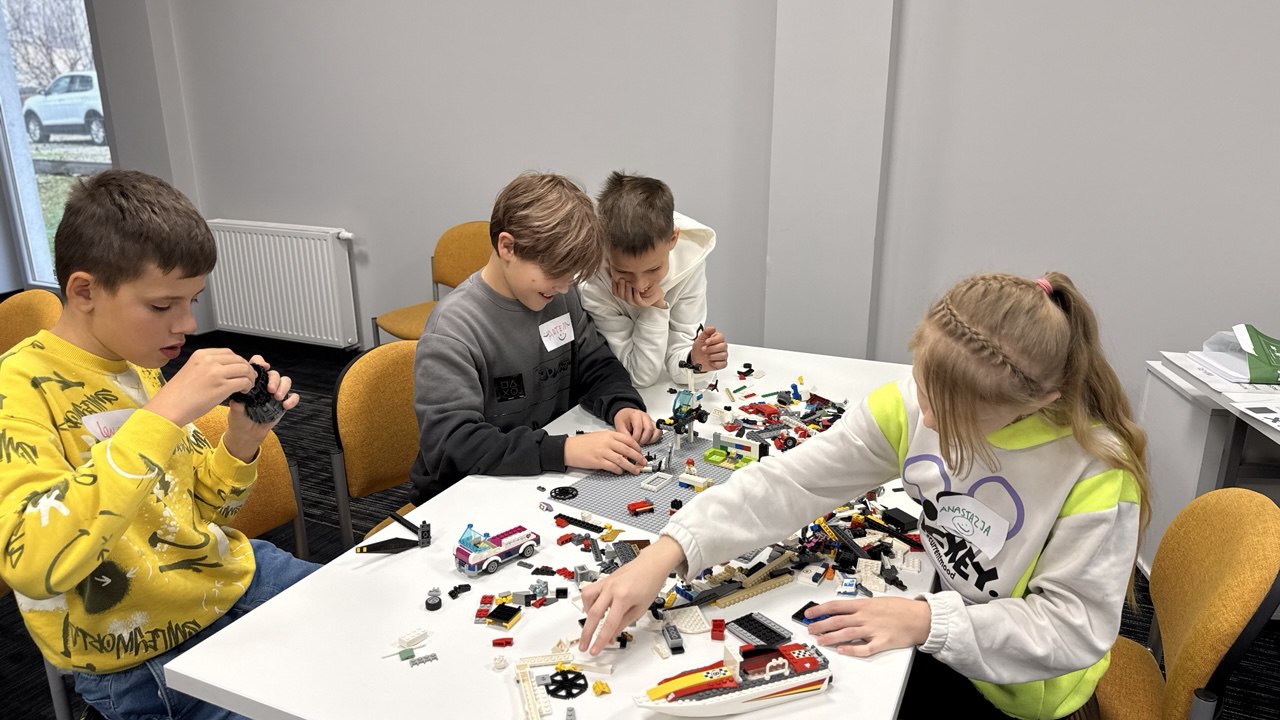
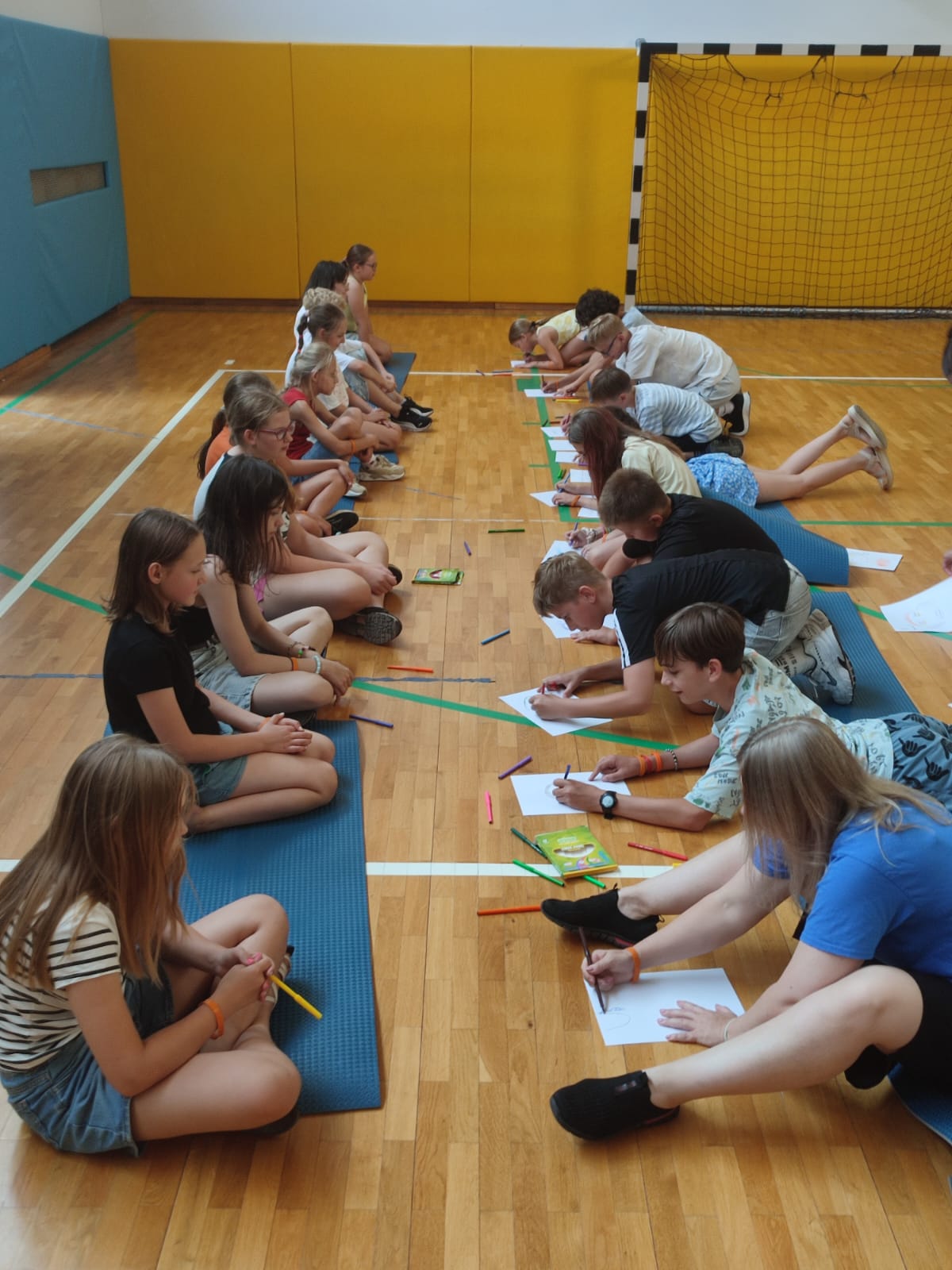
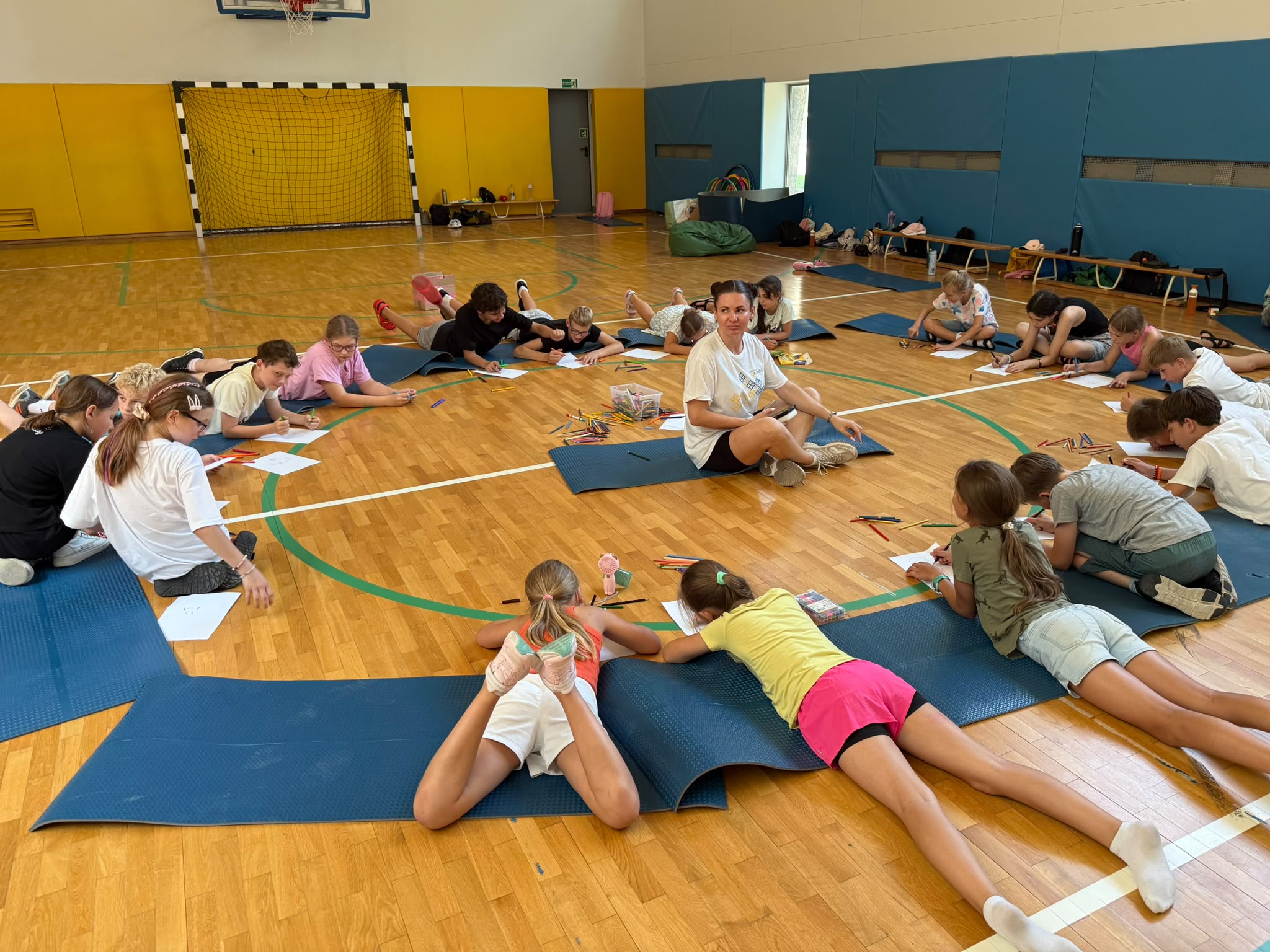
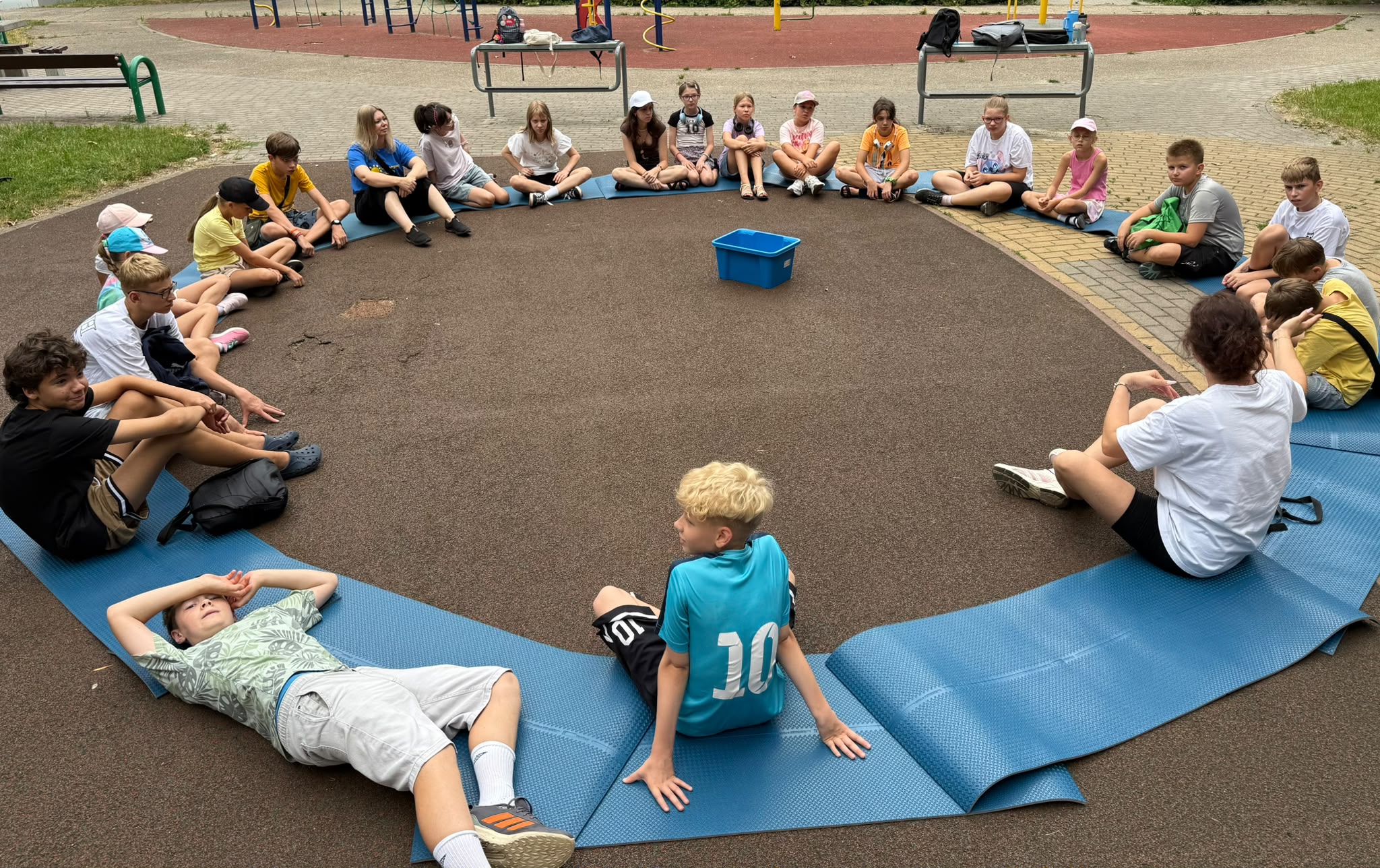
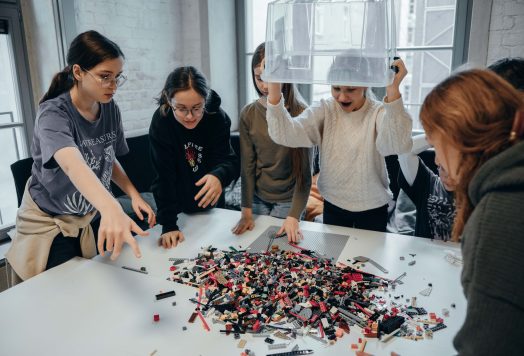
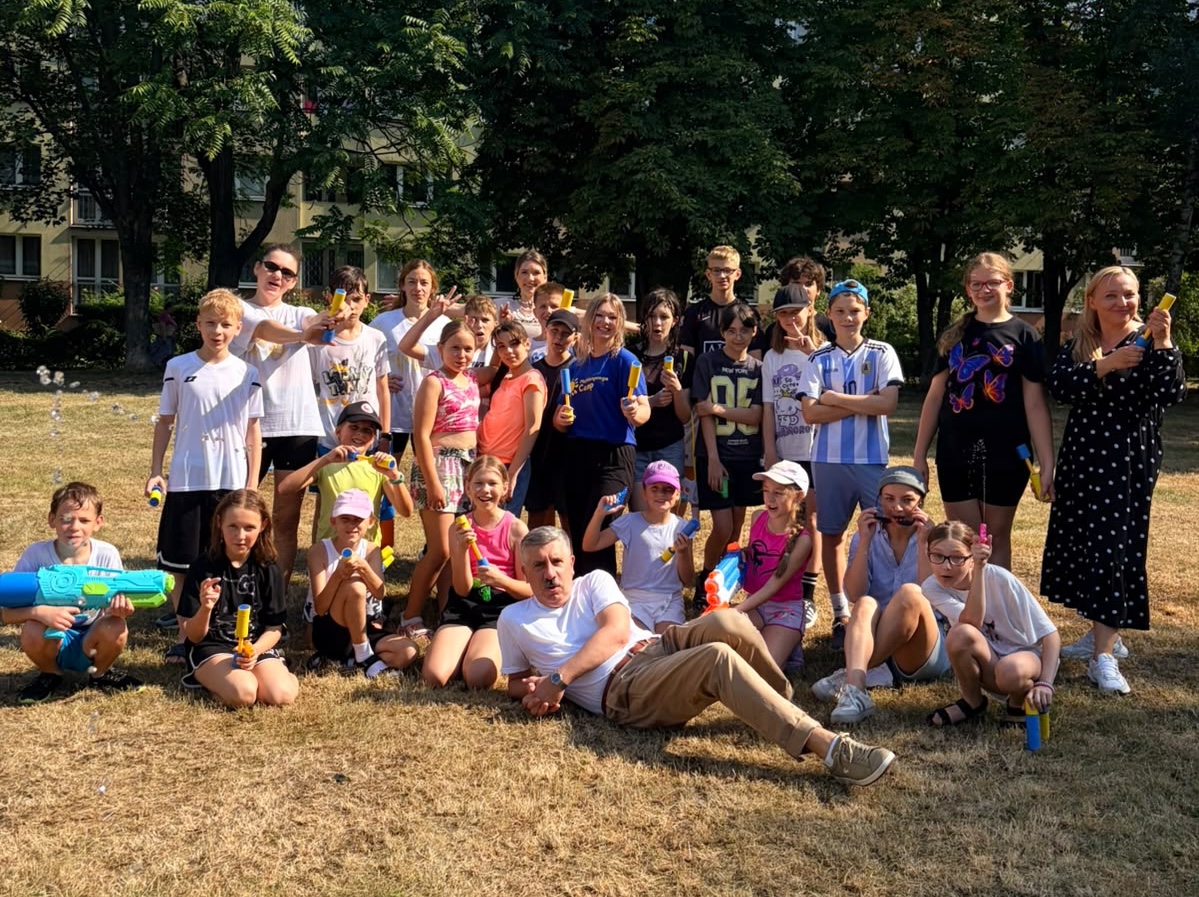
The programme offers three types of group activities: “Integration Workshops Using the LEGO® Serious Play® Method”, “Integration Through Movement”, and “Student Wellbeing Workshops”. These activities help strengthen cooperation within classes, develop social skills, and encourage mutual understanding.
Students can also access specialist psychological support, including crisis intervention. Young people aged 13 and over can receive individual consultations with specialists, including psychologists, psychotherapists, and education experts.
Psychological consultations are also available in Ukrainian, making support more accessible to students who do not speak Polish as their first language.
Support for teachers and school staff
Preventing bullying and resolving conflicts should not be the responsibility of teachers alone. That is why the programme also provides professional support to help school staff manage everyday challenges and situations requiring specialist expertise.
Teachers and other school employees can receive consultations on challenging classroom situations, student conflicts, bullying, and other issues related to teaching and student welfare.
Individual and group supervision sessions are also available for teachers and intercultural assistants. These sessions provide an opportunity to discuss specific cases, reflect on professional challenges, and work with specialists to identify effective solutions.
Another important part of the programme is helping schools establish and organise crisis response teams. This support enables schools to develop clear procedures, define responsibilities, and improve coordination when urgent situations arise.
The programme also offers guidance on working with students with diverse educational needs, including children on the autism spectrum, students with ADHD, and children with disabilities.
Activities supporting the mental health and wellbeing of school staff are also included.
Parents need support too
School-related challenges do not end when the school day is over. Parents and guardians play an essential role in addressing behavioural difficulties and helping children develop healthy relationships.
That is why the programme also provides dedicated support for families.
Parents and guardians can access consultations with psychologists, psychotherapists, psychiatrists, and support assistants on issues such as adjustment difficulties, stress, emotional crises, and bullying.
Consultations are available in Polish and Ukrainian, both in person and online.
For parents from migrant backgrounds, the programme also offers Polish language and adaptation workshops designed to make everyday communication with schools easier. Topics include using electronic school registers, writing absence notes, and communicating with teachers.
Integration meetings for Polish and migrant parents are also planned. These meetings provide opportunities to get to know one another, share experiences, and build cooperation around children’s needs.
The programme also includes information sessions on the Polish education system, available forms of support, and how multicultural classrooms work.
More than crisis support: Opportunities for development
The programme is not only about responding to difficult situations. It also helps students plan their futures and supports schools in creating a more inclusive learning environment.
Career guidance is available to students in the final years of primary and secondary education. Through individual and group sessions, young people can receive support in planning their further education and choosing a career path.
Schools can also benefit from consultations on student integration, educational resources for staff, mentoring support, and assistance in developing school-based educational and prevention programmes.
Importantly, support is tailored to the needs of each school.
The programme includes an individual assessment of each school’s resources, strengths, and challenges. Based on the findings, specialists prepare recommendations for further support. Access to certain services depends on the results of this assessment.
A safe school is not simply a place where difficult situations are addressed. It is also an environment where conflicts are prevented, positive relationships are encouraged, and the wellbeing of the entire school community is prioritised.
The “Friendly School” programme gives schools across Lower Silesia the opportunity to strengthen these areas with professional support, at no additional cost.
How can schools apply?
Participation in the programme is completely free of charge. Applications are open to schools in Lower Silesia with at least one student from Ukraine who arrived in Poland on or after 24 February 2022 due to the war.
The application form must be completed by the school principal or an authorised representative.
Once an application has been submitted, programme representatives will contact the school to discuss its needs and identify suitable forms of support.
Application form: https://forms.gle/Mdw13s6JbFjmhFC67
For more information about the programme and participation requirements, visit the Fundacja Ukraina website and go to “Projects” → Friendly School – a government programme for equalising educational opportunities for children and young people (2025–2027).
Contact for interested schools:
Foundation Ukraine (Fundacja Ukraina) – Krystian Stępień, School Liaison Specialist
Phone: +48 455 504 421
Email: przyjaznaszkola@fundacjaukraina.eu
The government programme for equalising educational opportunities for children and young people “Friendly School” for 2025–2027 is co-financed by the European Social Fund Plus under the European Funds for Social Development Programme 2021–2027, Action 04.17 “School for All”, as well as from the state budget.